
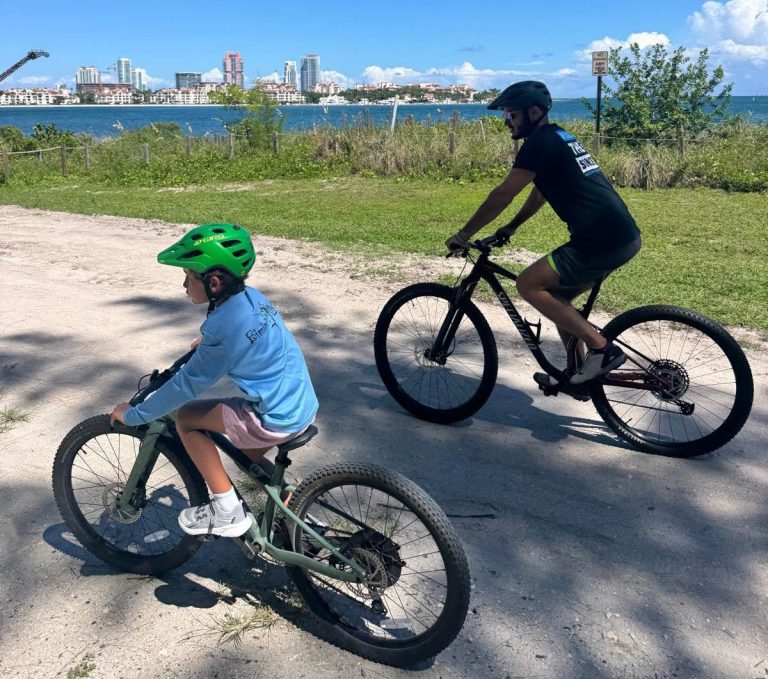
You’re standing at a Florida beach path with two bikes in front of you. One looks relaxed and easy, the kind of bike that seems made for a boardwalk loop after lunch. The other looks ready for dirt, roots, and rough ground, even if your ride is mostly going to be pavement. That’s the core choice behind beach cruiser vs mountain bike, and it matters a lot more than frame color, brand hype, or whatever looks tougher in the parking lot.
If the ride is flat, paved, and short, a cruiser usually makes more sense. If the route turns rough, steep, or mixed-surface, a mountain bike earns its keep. Florida riders feel that difference fast, especially on coastal paths, park loops, and rental rides where comfort and simplicity usually beat aggressive capability.
| Feature | Beach Cruiser | Mountain Bike |
|---|---|---|
| Riding position | Upright and relaxed | More forward-leaning and control-focused |
| Best surface | Flat pavement, boardwalks, beach paths | Dirt, gravel, rocks, roots, steep grades |
| Tires | Wide, comfort-oriented | Knobby, traction-oriented |
| Gearing | Simple drivetrain | More gears for climbing and terrain changes |
| Maintenance | Lower and simpler | Higher and more complex |
| Best fit | Casual rides, rentals, short outings | Trails, fitness rides, mixed terrain |
The smartest way to choose is simple. Match the bike to the surface, then match the bike to the way you want the ride to feel. If the answer is still fuzzy, a good place to start is to find your ideal cruiser e bike and compare the feel of an upright comfort bike against a more trail-focused setup. For riders comparing rentals and local ride options, surrey bikes often sit in the same comfort-first lane as cruisers, not mountain bikes.
Table of Contents
- Two Bikes, Two Very Different Rides
- What Defines a Beach Cruiser and a Mountain Bike
- Side by Side on Frame, Tires, and Components
- Comfort, Effort, and Speed in Real Numbers
- Matching the Bike to Where You Actually Ride
- Why a Mountain Bike Can Be Overkill on the Beach
- Which Bike Should You Actually Choose
- Common Questions About Cruisers and Mountain Bikes
Two Bikes, Two Very Different Rides
At a beachfront rental rack, the choice often comes down to one question. Is this a slow ride along the coast, or is it a real ride through mixed terrain? That’s why the beach cruiser vs mountain bike decision is so practical. It isn’t about which bike is better in the abstract, it’s about which one fits the ground under the tires.
The coast rewards comfort, not aggression
A cruiser makes sense when the route is flat, paved, and scenic. The rider sits upright, looks around, and doesn’t have to fight the bike for every mile. That’s exactly why cruisers became so closely associated with casual transport and beachside use, while mountain bikes developed as the tool for riding beyond paved roads. The use case came first, then the bike followed.
A mountain bike can still roll on pavement, but that doesn’t mean it’s the right tool for a beach path or boardwalk. It brings more capability than most casual riders need for that setting, and extra capability usually comes with extra effort. For Florida tourists, families, and weekend riders, that trade-off is often the wrong one.
Practical rule: if the ride is mostly about the view, a cruiser is usually the better fit. If the ride is mostly about the terrain, the mountain bike earns the nod.
When a rider wants help sorting out that comfort-first decision, especially with e-assist options, the right starting point is a ride that matches the route rather than the ego. For that reason, a coastal cruiser or comfort bike is often the cleaner answer than a trail bike. Riders who are also comparing water-and-land outing options can see how paddleboard rentals in Miami Beach fit the same relaxed, recreational mindset.
What Defines a Beach Cruiser and a Mountain Bike
The cruiser was built for calm pavement
A beach cruiser is built for flat, paved riding that stays relaxed from start to finish. The classic setup uses a single-speed drivetrain, coaster brakes, balloon tires, and an upright riding position. That combination keeps the bike simple, comfortable, and easy to handle on neighborhood streets, boardwalks, and coastal paths.
That old-school design still explains why cruisers feel right in Florida. The rider sits tall, the controls stay straightforward, and the bike rolls in a calm, predictable way on smooth ground. A cruiser is made for easy rides, not for technical ones. On a beach path, that usually matters more than having extra gears or aggressive hardware.
The mountain bike was built for rough ground
A mountain bike came from a different job. It was designed for off-road riding, which means dirt, gravel, mud, rocks, roots, and steep changes in grade. Its geometry, tires, and brakes are aimed at control, traction, and handling when the surface stops being friendly.
That is why the categories do not overlap as much as riders assume. A cruiser is a comfort bike for paved routes. A mountain bike is a control bike for rough terrain. If your ride stays on smooth, flat pavement, the cruiser is the cleaner fit. If the route leaves pavement and starts asking for grip, stronger braking, and a more planted stance, the mountain bike belongs there. For riders comparing trail options, mountain biking at PADL is the better place to start than a beach cruiser built for casual cruising. Riders who want a closer look at hardtail setup choices can also use hardtail bike buying advice as a reference point for the kind of control-focused setup a trail bike brings.
Side by Side on Frame, Tires, and Components
The parts tell the truth
| Feature | Beach Cruiser | Mountain Bike |
|---|---|---|
| Frame geometry | Relaxed, upright, comfort-focused | More aggressive, control-focused |
| Tires | Wide balloon-style tires | Knobby tires for traction |
| Gearing | Simple, often single-speed or low-range | Multiple gears for climbs and terrain |
| Brakes | Often coaster brakes or simple hand brakes | Usually two hand brakes for stronger control |
| Handlebars | Wide and swept back | Flat bars for leverage and handling |
| Saddle | Wide and soft | Narrower and firmer for movement |
Those differences are not cosmetic. They change how the rider moves, how the bike reacts, and how much effort the ride takes. A cruiser’s frame and cockpit keep the rider upright and relaxed, which is why it feels so natural on a beach path or city boardwalk. A mountain bike’s geometry helps the rider shift weight, brace through bumps, and keep traction when the surface turns messy.
Tires, brakes, and maintenance define the experience
Tires are the biggest tell. Wide cruiser tires are meant to roll comfortably on pavement and smooth paths. Knobby mountain bike tires are made to bite into loose ground and stay planted where traction matters more than efficiency. That’s why a mountain bike can feel like overkill on clean pavement, even if it looks more serious.
For riders who want a deeper frame-level breakdown of hardtail setups, hardtail bike buying advice is useful context, especially for anyone trying to separate practical trail use from unnecessary complexity. The same logic applies here. A simple bike is often the right bike when the ride is simple.
A cruiser also tends to stay lower maintenance because the design is simpler. A mountain bike usually asks for more upkeep, more tuning, and more attention to parts that matter on rough terrain but add little value on flat coastal routes. For riders comparing local trail access and off-road use, mountain biking options fit the category better than any beach-side comfort bike.
Comfort, Effort, and Speed in Real Numbers
The effort gap is real
A mountain bike asks for more work the moment the ground stops being smooth. On a grassy, leafy trail with obstacles, it takes noticeably more effort than riding on pavement, which is exactly why rough terrain drains energy so fast. On a flat beach path or paved coastal loop, that extra capability turns into extra rolling resistance and extra work for the rider.
That matters in Florida. A bike that feels fine on a shaded trail can feel like a chore on a boardwalk, a resort path, or a beachfront rental route where the surface stays flat and predictable. A cruiser is built for that kind of ride, with a relaxed posture and easy rolling that fits casual coastal use. A mountain bike brings traction and control features that are useful off pavement, but on smooth paths the rider still pays for that hardware even when the terrain never asks for it.
What the rider actually feels
On a cruiser, the body stays upright, the seat feels easier to live with on short outings, and pedaling stays calm on flat ground. On a mountain bike, the position is more active and the ride asks more from the legs, which helps when the surface turns rough but adds work on a boardwalk loop. That is why a cruiser usually feels like the smarter choice for short leisure rides along the coast.
A rider who wants to relax, look around, and keep the outing easy should expect a cruiser to feel lighter in effort, even if the bike itself is not the lightest thing in the rack.
The rule is simple. If the ride is short, flat, and scenic, choose the bike that makes pedaling feel casual instead of athletic. If the route includes loose ground, trail obstacles, or climbs, choose the bike that gives up some comfort to gain control. For riders planning beach and marina outings, PADL’s Miami Beach rentals fit the kind of coastal use where a cruiser usually makes more sense than a mountain bike.
Matching the Bike to Where You Actually Ride
Florida’s terrain makes the answer obvious
Boardwalk cruising belongs to a cruiser. Beach-path loops belong to a cruiser. Paved urban riding, especially short errands and relaxed recreational loops, usually belongs to a cruiser too. The upright posture and simple setup fit the way people ride those routes, which is usually slow, social, and stop-and-go.
The mountain bike wins when the surface changes. Gravel fire roads, dirt paths, forest trails, and any route with roots, rocks, mud, or steep sections are mountain-bike territory. Those features aren’t just for show, they help the rider keep traction and control when the ground gets unstable.
Use the route, not the label
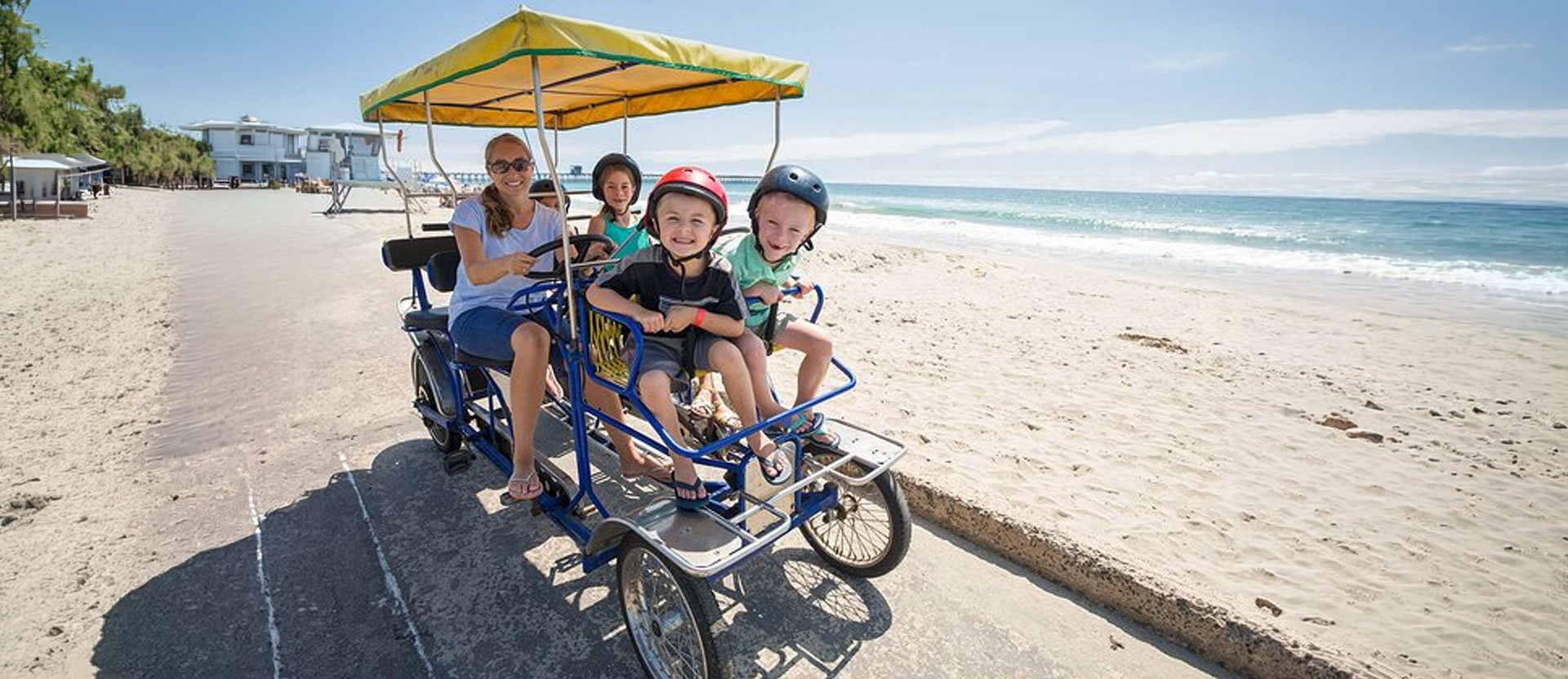
A family renting bikes for a beachfront afternoon should lean cruiser, because the ride is usually short, flat, and focused on comfort. A fitness rider heading for mixed-surface work should lean mountain bike, because control and traction matter more than relaxed posture. A tourist who just wants to roll along a coastal path and enjoy the weather should not be paying for trail hardware that adds hassle without adding value.
Riders who are planning around specific Florida outings can also think in terms of location. If the day is about a calm waterfront route, the cruiser fits. If the day includes park trail access or rougher ground, the mountain bike is the better tool. For ride planning around local activity hubs, how to rent is the practical next step once the bike type is clear.
Why a Mountain Bike Can Be Overkill on the Beach
Extra capability often goes unused
A mountain bike looks like the safer pick on paper, but Florida’s flat coastal paths rarely ask for that much bike. Suspension, knobby tires, and a more aggressive riding position are built for rough ground, not for smooth pavement where that hardware adds weight and drag without adding much comfort.
That matters on a beach ride. Extra traction and shock handling sit there doing little on a clean boardwalk or a flat paved path, while the rider feels the penalty in rolling resistance and a more forward stance. On relaxed coastal cruising, those features do not improve the experience, they make the bike feel busier than it needs to be.
Florida’s flat routes expose the trade-off
Flat routes make the trade-off obvious. A beach cruiser is built for comfort and easy effort on paved surfaces, while a mountain bike brings suspension, knobby tires, and more resistance that are meant for dirt, loose ground, and rougher terrain. On a smooth Florida path, that extra hardware is more burden than benefit.
That is the part riders miss when they choose by image instead of by route. If the ride is a beachfront loop, a boardwalk cruise, or a slow pass along the water, the simpler bike is the better fit. If the path stays predictable, the rugged bike is the wrong kind of complicated.
Direct advice: do not rent a mountain bike just because it looks tougher. Rent the bike that matches the pavement in front of you.
For casual Florida riding near beaches, the better bike is usually the one that fades into the background and lets the ride stay relaxed. That is the cruiser’s job. The mountain bike makes sense when the ground stops being smooth and starts demanding traction and control. For anyone sorting out the right setup before a rental, how to rent is the practical place to start.
Which Bike Should You Actually Choose
The recommendation is simple
Choose a beach cruiser for flat coastal cruising, family rides, beginner outings, and short rentals. That’s the right call for boardwalks, beach paths, and relaxed city loops where comfort and simplicity matter more than speed. It’s also the better pick for riders who want to step off the bike without feeling worked over.
Choose a mountain bike for trail systems, fitness rides, dirt routes, and mixed-surface outings where traction and control matter. If the route includes gravel, roots, loose ground, or real elevation change, the mountain bike is the right tool because it was built for that job. Anything less is compromise for the wrong reason.
Rental versus ownership changes the decision
For a one-day or vacation ride, the bar should be even higher for choosing a mountain bike. If the goal is a scenic loop and a comfortable outing, a cruiser wins almost every time. If the goal is a workout or trail time, the mountain bike earns the spot.
For riders who want to sample both styles without committing to either, a Florida outfitter with land and water recreation options can make the decision easy. That’s especially useful when the group wants to mix a beach day, a bike ride, and other outdoor activities without overthinking gear. A good local rental network removes the guesswork and keeps the focus on the ride itself.
Common Questions About Cruisers and Mountain Bikes
Fast answers for the last mile of the decision
A cruiser is usually faster in practice on pavement for casual riders because it rolls efficiently and asks less from the body on flat ground. A mountain bike can handle gravel better, but it’s not the better choice for smooth boardwalks. That’s the key split.
A cruiser can handle light gravel or packed paths, but it’s not the bike for rough trails. E-assist versions change the equation by adding help on gentle hills and longer beach-town routes, though they still don’t turn a cruiser into a trail bike. For riders comparing activity formats and guided outings, experiences are often a better fit than forcing one bike to do everything.
A one-day rental should be chosen for the route, not the ego. If the day is about comfort, choose the cruiser. If the day is about terrain, choose the mountain bike.
A CTA for PADL.